
⁠Robotic/ Laparoscopic Gall bladder stone surgery

Robotic and laparoscopic surgery for gallbladder stones is a minimally invasive approach designed to safely and effectively remove gallstones and relieve associated symptoms.

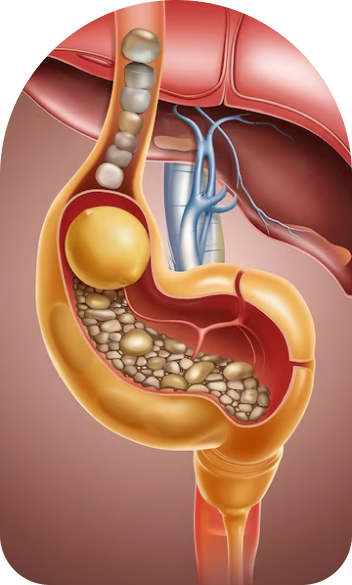
What is Gallbladder Stone?

These advanced surgical techniques offer significant advantages over traditional open surgery, including reduced pain, faster recovery, and minimal scarring. By using cutting-edge robotic systems and high-definition laparoscopic technology, this procedure ensures precision and optimal patient outcomes.

Symptoms and Digonosis

Right Updomen Pain

Possible causes of right upper abdominal pain include

Shoulder Pain

Common causes of shoulder pain include

Reducible Hernia the surgery

The standard treatment for a reducible hernia is surgery.

Symptoms and Digonosis

Right Updomen Pain

Possible causes of right upper abdominal pain include

Shoulder Pain

Changes in weight can signal an abnormal function of the thyroid gland. Low levels of thyroid hormones .
Reducible Hernia the surgery

The standard treatment for a reducible hernia is surgery.

Treatments

Oral Painkiller

Laparascopic

Gallbladder surgery

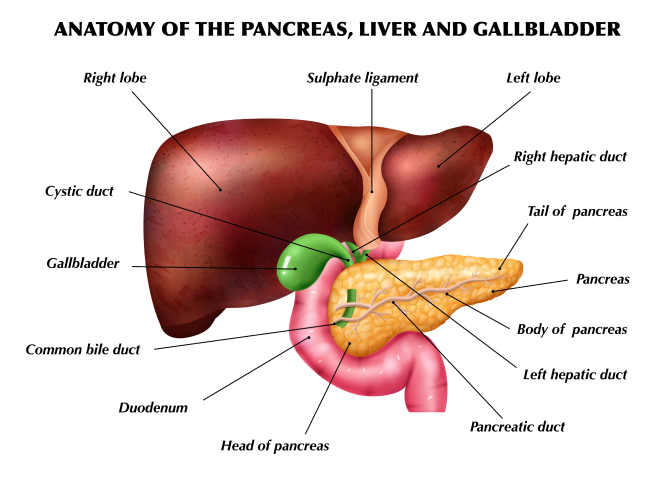
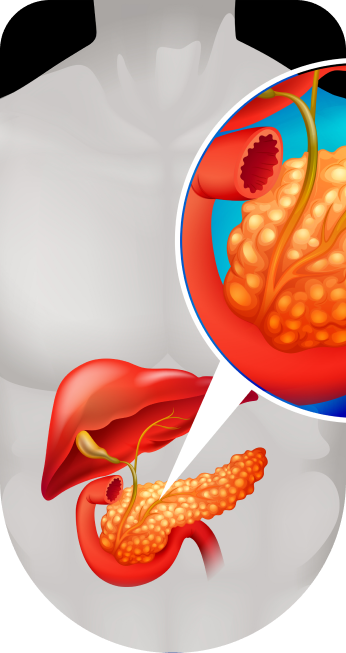
Gallbladder surgery, also known as cholecystectomy, is a procedure performed to remove the gallbladder. The gallbladder is a small organ located under the liver, responsible for storing bile, which helps in the digestion of fats. Gallbladder surgery is commonly done to treat conditions such as gallstones, gallbladder inflammation (cholecystitis), or other related problems.

Surgery

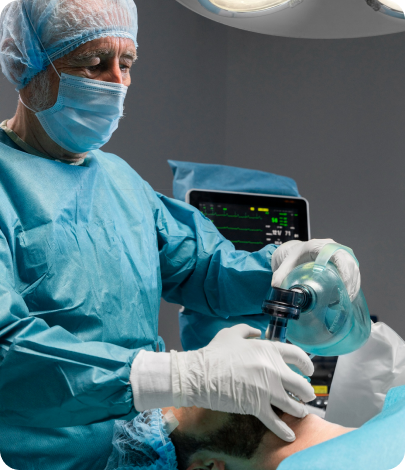
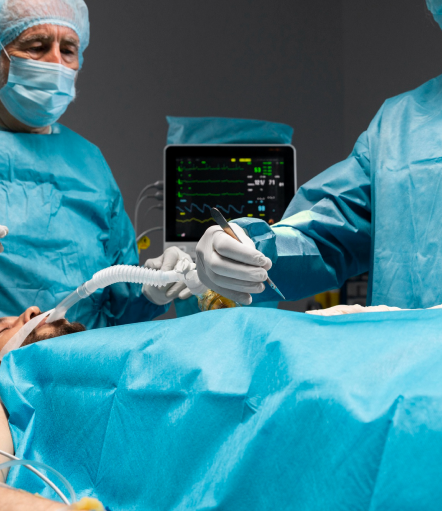
This is the most common method for gallbladder removal. It involves making several small incisions in the abdomen, through which a tiny camera (laparoscope) and specialized surgical instruments are inserted. The surgeon uses the camera to guide the procedure, allowing for the removal of the gallbladder with minimal scarring.

Robotic and laparoscopic gallbladder surgery, also known as cholecystectomy, involves the following steps:

1. Pre-Operative Evaluation: Imaging studies such as ultrasound or MRCP confirm the presence of gallstones and assess the gallbladder’s condition.

2. Minimally Invasive Surgery: Small incisions are made, and a laparoscope or robotic tools are introduced.

3. Gallbladder Removal: The gallbladder is carefully detached from surrounding tissues and removed through one of the small incisions.

4. Closure: The incisions are closed with sutures or adhesive, leaving minimal scars. The procedure is performed under general anaesthesia and typically takes 1-2 hours.