

⁠Robotic/ Laparoscopic Appendcitis Surgery

Robotic and laparoscopic surgery have revolutionized the treatment of appendicitis, offering precision, minimally invasive techniques, and faster recovery for patients.

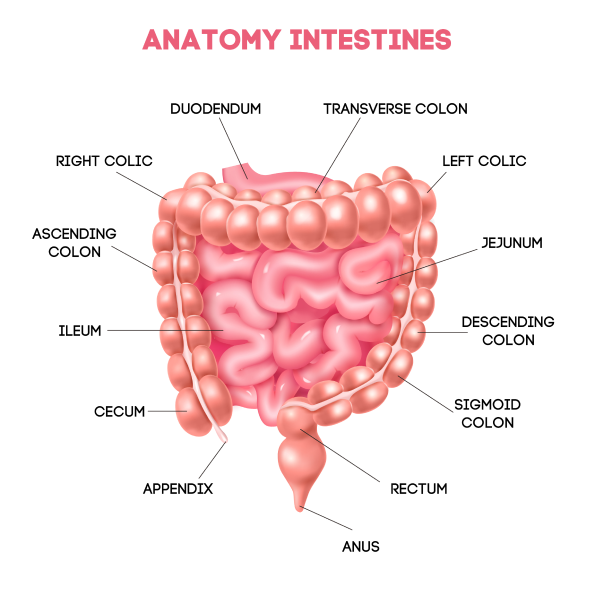
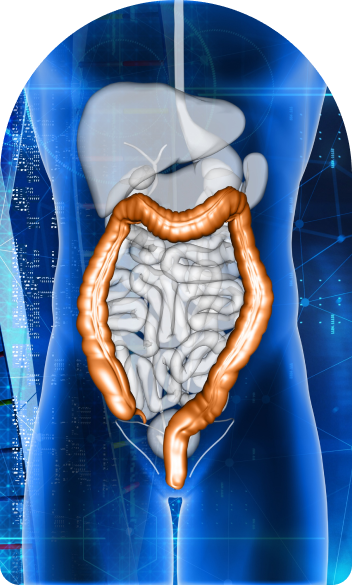
What is Appendix?

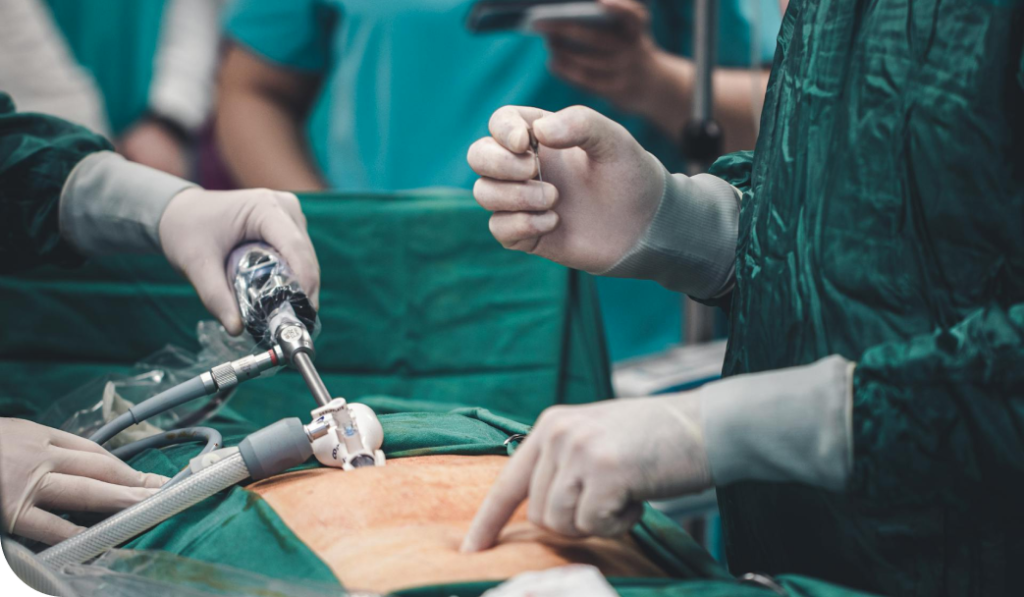
Robotic and laparoscopic surgery offer a minimally invasive, precise, and patient-friendly approach to treating appendicitis. With small incisions, these techniques reduce pain, minimize infection risks, and leave minimal scars. Robotic systems provide high-definition visualization and precise control, ensuring complete removal of the appendix while protecting nearby tissues. Recovery is faster, with most patients resuming normal activities within 1-2 weeks. These advanced methods deliver superior outcomes, making them the preferred choice over traditional open surgery.

Symptoms and Digonosis

Fever

Fever is a rise in body temperature, often due to infection, inflammation, or other medical conditions.

Abdominal Pain

Abdominal pain refers to discomfort or pain felt anywhere in the area between the chest and the pelvis.

Nausea and Vomiting

Nausea is the feeling of discomfort in the stomach, often leading to the urge to vomit.

Symptoms and Digonosis

Fever

Fever is a rise in body temperature, often due to infection, inflammation, or other medical conditions.

Abdominal Pain

Abdominal pain refers to discomfort or pain felt anywhere in the area between the chest and the pelvis.

Nausea and Vomiting

Nausea is the feeling of discomfort in the stomach, often leading to the urge to vomit.

Treatments

Oral Painkiller

Laparascopic

Cause of Appendix

Appendicitis is the most common condition that affects the appendix, marked by symptoms such as abdominal pain (initially around the navel, later shifting to the lower right side), nausea, vomiting, loss of appetite, fever, and abdominal tenderness. It is a medical emergency that usually requires an appendectomy, or surgical removal of the appendix, to avoid serious complications like rupture.
If not treated, a ruptured appendix can result in severe infections, including peritonitis or sepsis, which can be life-threatening.

Appendectomy

Surgery may be required to remove a large goiter or an overactive nodule in the thyroid gland. It is also necessary if there is a risk of thyroid cancer.

Types of Surgery or appendectomies for appendicitis

aparoscopic Appendectomy: This is a minimally invasive surgery where small incisions are made, and a camera is used to guide the removal of the appendix.

pen Appendectomy: In this traditional surgery, a larger incision is made in the lower right abdomen to remove the appendix.

Why Laparoscopic Surgery is better over open Surgery?

While laparoscopic surgery is often preferred, open surgery may still be necessary in certain cases, such as when the appendix has ruptured or if the patient’s condition is too complex for laparoscopic techniques.

Advantages

Minimal postoperative pain

Shorter hospital stay

Quick return to work and normal activities.

Excellent cosmetic results

Parathyroid Surgery

Parathyroid surgery is a procedure to remove one or more of the parathyroid glands, typically when they are overactive, a condition known as hyperparathyroidism