
Bharat
★★★★
Let me congratulate you on the honour 'Padma Shri' bestowed on you by the govt. This is not only the honour to you but also the Ganga Ram hospital.

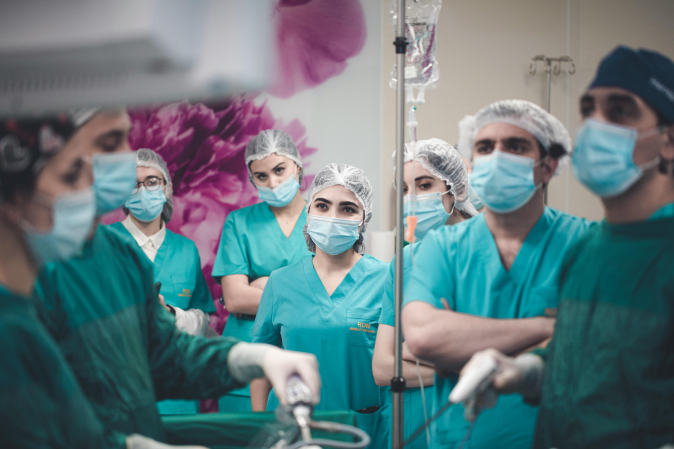
Robotic and laparoscopic surgery for hernia and abdominal wall reconstruction (AWR) has revolutionized surgical treatment, offering precision, minimally invasive techniques, and superior patient outcomes.
Traditional open hernia repair and abdominal wall reconstruction, while effective, often involve larger incisions, increased pain, and longer recovery periods. Robotic and laparoscopic approaches provide several benefits:
Minimally Invasive Techniques: Smaller incisions lead to reduced pain and faster healing.
Enhanced Visualization: High-definition imaging ensures better precision in complex reconstructions.
Reduced Risk of Recurrence: Advanced techniques provide stronger, more durable repairs.
Quicker Recovery: Patients typically return to daily activities much sooner.
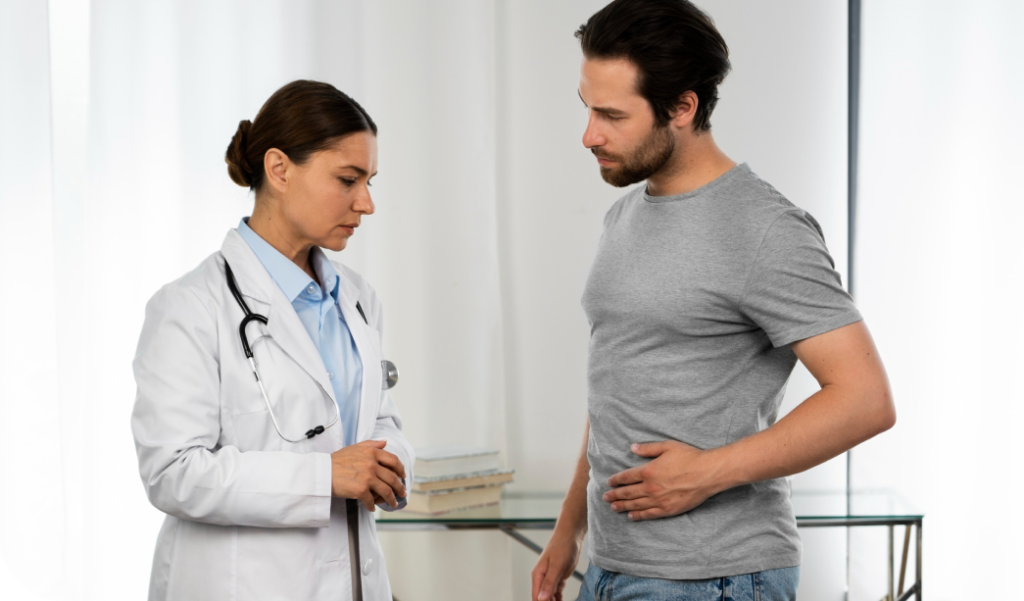
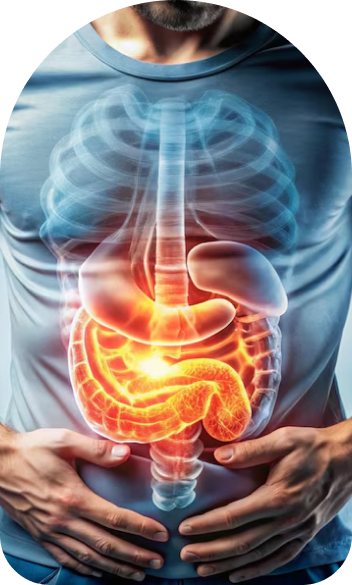
Hernias may be painless or cause discomfort. In most cases, they can be diagnosed through a physical examination of the abdomen.
Surgery is the only effective treatment for a hernia. It will not heal on its own and may continue to enlarge if left untreated.
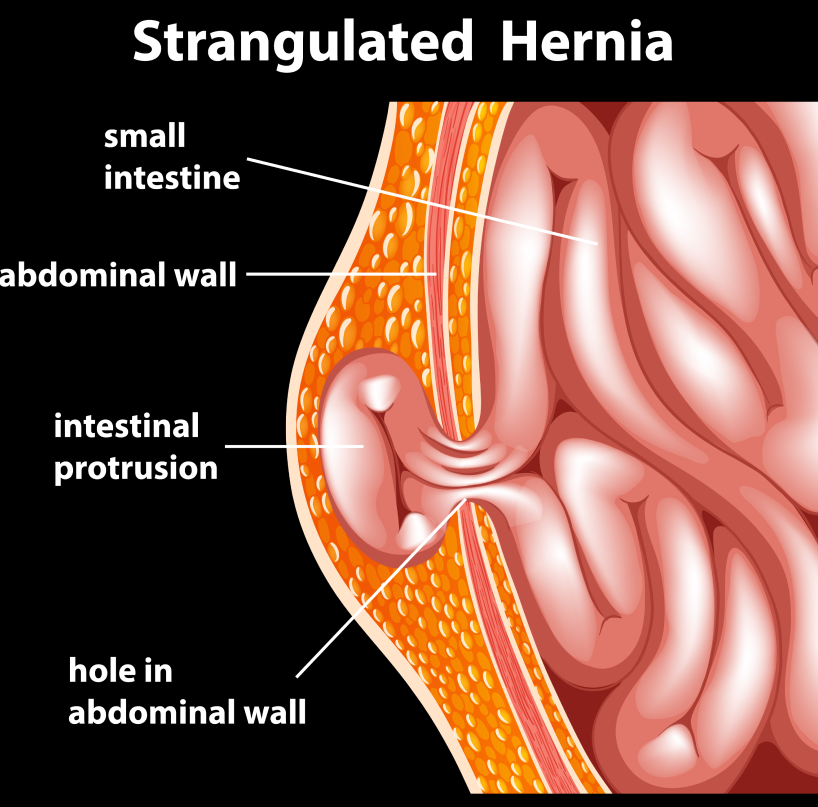
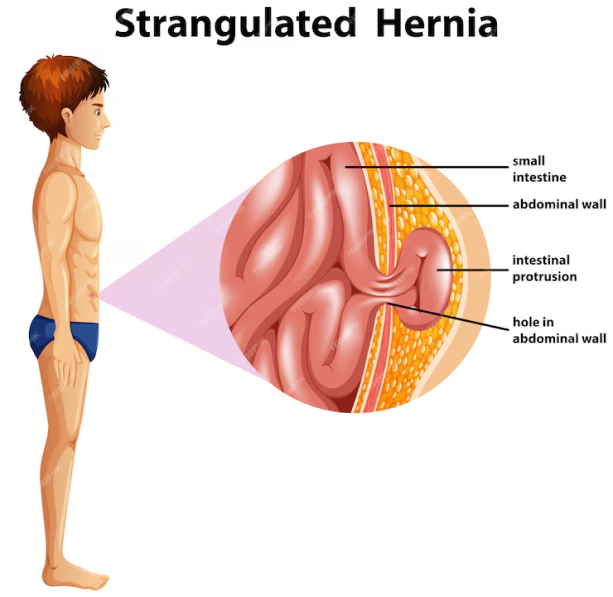
If untreated, a hernia can lead to complications such as obstruction (intestinal blockage) or strangulation, both of which require urgent medical attention
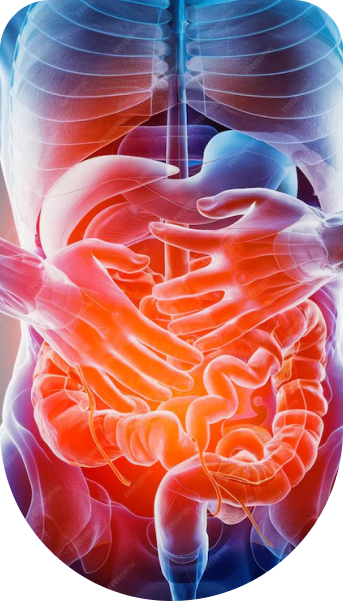
Hernia surgery is a procedure to fix a hernia, which happens when an organ or fatty tissue protrudes through a weakened area or tear in the surrounding muscle or connective tissue. The most common types of hernias include inguinal (groin), umbilical (belly button), hiatal (upper stomach), and incisional hernias (occurring at sites of previous surgeries).
It results in less pain, allowing patients to return to work more quickly compared to open surgery.
Repairing a recurrent hernia is often easier with laparoscopic techniques than with open surgery.
It allows the surgeon to check for and repair a second hernia on the opposite side during the same procedure
With smaller incisions, laparoscopic surgery provides better cosmetic outcomes.
Reduced postoperative pain
Faster recovery and return to daily activities
Outstanding cosmetic outcomes
Let me congratulate you on the honour 'Padma Shri' bestowed on you by the govt. This is not only the honour to you but also the Ganga Ram hospital.
Sed ut perspiciatis unde omnis iste natus error sit voluptatem accusantium doloremque laudantium, totam rem aperiam.
Duis aute irure dolor in reprehenderit in voluptate velit esse cillum dolore eu fugiat nulla pariatur.