
⁠Robotic/ Laparoscopic Surgery for Adrenal Gland diseases

Traditional open adrenal surgery involves larger incisions, longer hospital stays, and significant recovery times. Robotic and laparoscopic methods provide distinct advantages

What is Adrenal Gland?

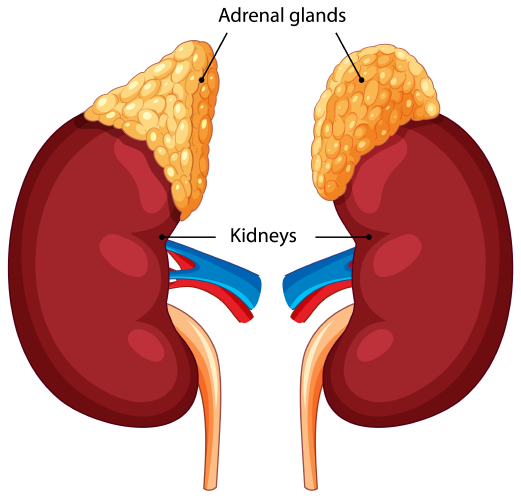
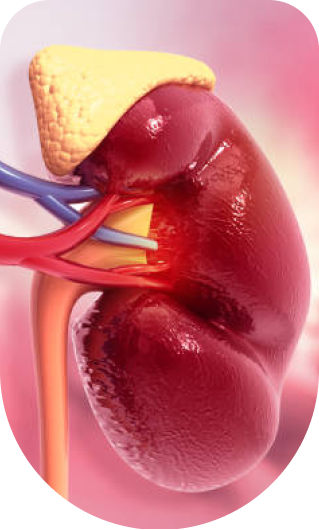
Robotic and laparoscopic surgery for adrenal gland diseases offers a minimally invasive approach to treating a variety of conditions affecting these vital glands. The adrenal glands, located above each kidney, produce essential hormones that regulate metabolism, blood pressure, and stress responses. Advanced robotic and laparoscopic techniques ensure precise removal of diseased adrenal glands while minimizing complications, recovery time, and scarring.

Symptoms and Digonosis

Nausea

Nausea is the sensation of feeling like you need to vomit, often accompanied by discomfort in the stomach.

Fatigue

Fatigue is a feeling of extreme tiredness or lack of energy that doesn't go away with rest.

Weakness

Weakness refers to a lack of physical strength or the reduced ability to perform normal activities.
Symptoms and Digonosis

Nausea

Nausea is the sensation of feeling like you need to vomit, often accompanied by discomfort in the stomach.

Fatigue

Fatigue is a feeling of extreme tiredness or lack of energy that doesn't go away with rest.

Weakness

Weakness refers to a lack of physical strength or the reduced ability to perform normal activities.

Treatments

Surgery

Medicnine

Radiation Therapy

Adrenal Glands?

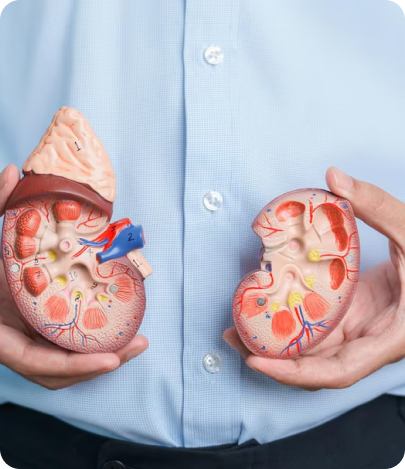
The adrenal glands are small, triangular-shaped organs situated on top of each kidney. These crucial glands are part of the body’s endocrine system and produce hormones that regulate essential functions. Each adrenal gland consists of two primary sections: the adrenal cortex and the adrenal medulla.
The adrenal cortex, the outer layer of the gland, produces hormones such as cortisol, aldosterone, and androgens. Cortisol, often referred to as the “stress hormone,” plays a key role in the body’s response to stress, regulating metabolism, and maintaining blood pressure.

Surgery

The adrenal glands are small, triangular-shaped organs positioned atop each kidney, and they are crucial in regulating a range of bodily functions by producing important hormones.

Adrenal Glands

Robotic and laparoscopic adrenalectomy involves the following steps:
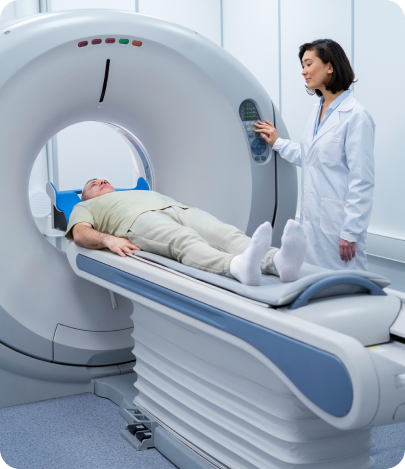
1. Pre-Operative Evaluation: Imaging studies (CT/MRI scans) and blood/urine tests confirm the diagnosis and guide surgical planning.
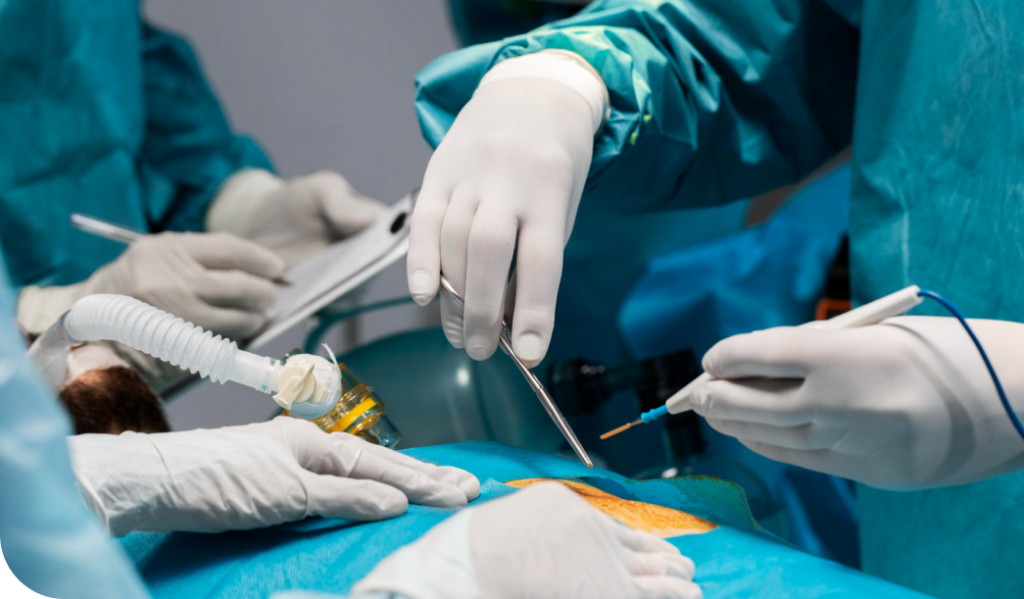
2. Minimally Invasive Access: Small incisions are made, and a laparoscope or robotic instruments are inserted to access the adrenal glands.
3. Adrenal Gland Removal: The affected adrenal gland is carefully separated from surrounding tissues and blood vessels using high-precision tools.
4. Closure: The incisions are closed with sutures or adhesive, leaving minimal scars. The procedure is performed under general anaesthesia and typically takes 1-3 hours, depending on the complexity of the case.