
⁠Robotic/ Laparoscopic Colorectal Surgery

Traditional open colorectal surgery, while effective, often involves significant invasiveness, prolonged recovery, and higher risk of complications. Robotic and laparoscopic alternatives offer numerous advantages that make them the preferred choice for both patients and surgeons.

What is Colorectal?

Robotic and laparoscopic colorectal surgery marks a transformative leap in surgical innovation, blending advanced technology with the precision of minimally invasive techniques. Designed to address a wide range of colorectal disorders, these procedures minimize surgical trauma, expedite recovery, and enhance patient outcomes. Leveraging high-definition imaging and robotic-assisted systems, they set new standards for precision and efficiency in modern surgical care.

Symptoms and Digonosis

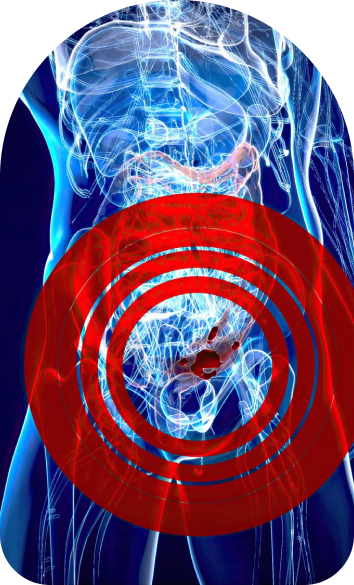
Change Bowl Time & Abdominal Pain

Bowel movements refer to the process of passing stool from the body.

Diarrhea and Constipation

Diarrhea and Constipation are common digestive issues that affect the frequency and consistency of bowel movements.

Weight Loss with no Cause

Changes in weight can signal an abnormal function of the thyroid gland. Low levels of thyroid hormones .

Symptoms and Digonosis

Change Bowl Time & Abdominal Pain

Bowel movements refer to the process of passing stool from the body.

Diarrhea and Constipation

Diarrhea and Constipation are common digestive issues that affect the frequency and consistency of bowel movements.

Weight Loss with no Cause

Changes in weight can signal an abnormal function of the thyroid gland. Low levels of thyroid hormones .

Treatments

Surgery to Cure

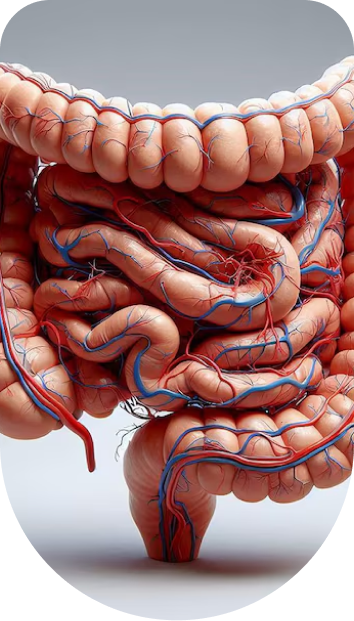
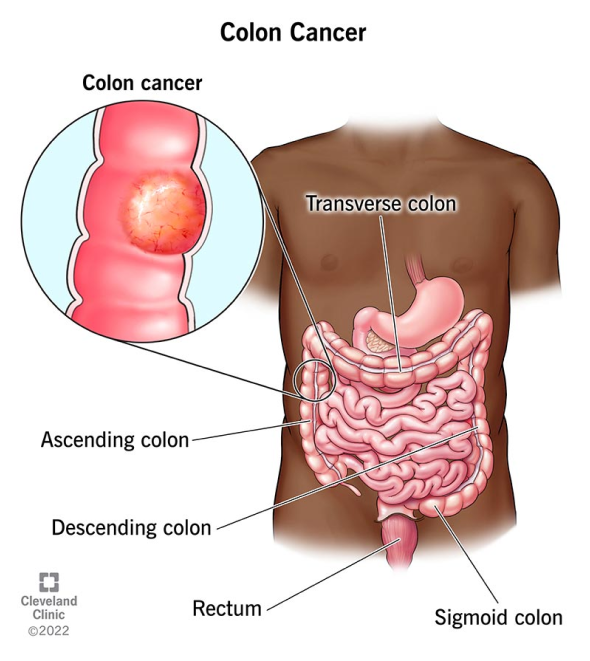
Colorectal refers to the colon and rectum, components of the large intestine responsible for digesting food and eliminating waste. Conditions affecting these areas, such as cancer, inflammatory disorders, or structural abnormalities, may necessitate colorectal surgery for treatment.

Surgery

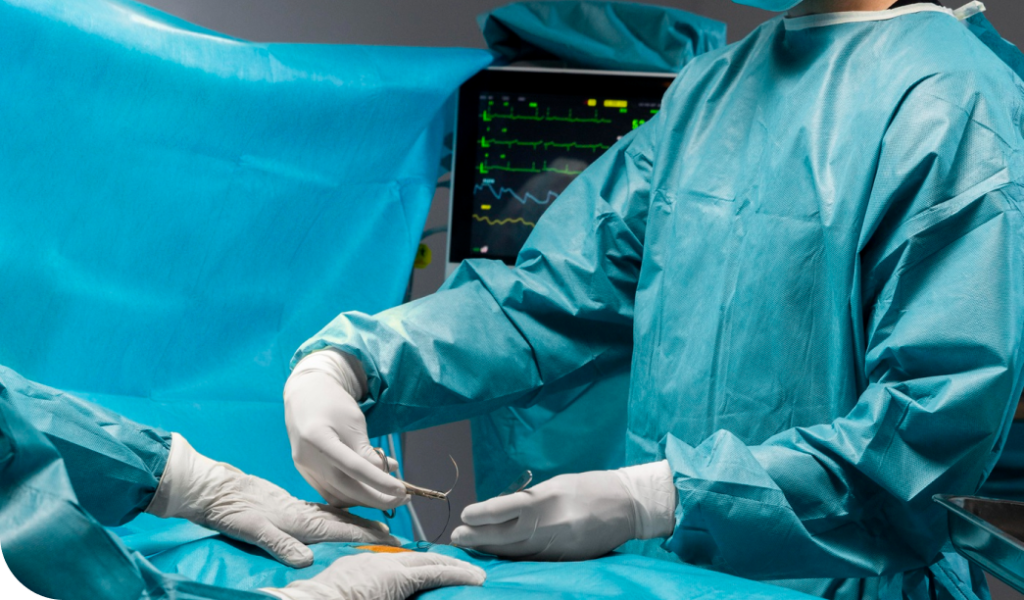
Robotic and laparoscopic colorectal surgery begins with a thorough pre-operative assessment. This may include imaging studies, blood tests, and a colonoscopy to determine the most appropriate surgical plan. Once the decision has been made, the patient is placed under general anesthesia, ensuring they are completely comfortable throughout the procedure. During surgery, small incisions are made, through which the surgeon introduces a laparoscope (a small camera) or robotic instruments. These tools allow the surgeon to view the surgical site on a high-definition screen, providing clear, magnified images of the affected area. Using these tools, the surgeon carefully excises or repairs the diseased portion of the colon or rectum, ensuring minimal disruption to healthy tissues. Once the procedure is complete, the incisions are closed with sutures or adhesive. The entire process is highly controlled, with precision at every step.

Preparing for Surgery

  • Pre-Operative Consultation A thorough review of medical history and imaging studies ensures the surgery is tailored to individual needs.
  • Medication Management Some medications, such as blood thinners, may need to be adjusted or stopped before surgery to reduce the risk of complications..
  • Dietary Adjustments Adherence to a prescribed diet and fasting guidelines before surgery is crucial for bowel preparation and reducing surgical complications.

Post-Operative Care and Recovery

  • Pain Management: Mild discomfort is managed with the prescribed analgesics.
  • Activity Resumption: Light activities are typically resumed within a few days, with a gradual return to normal routines.
  • Dietary Guidelines: Patients are encouraged to consume a soft, fiber-rich diet to support healing and bowel function. Wound Care: Incision sites should be kept clean and dry to prevent infection.