


Endoscopic Thyroid Surgery

Endoscopic Thyroid Surgery (ETS) is a new surgical method for thyroidectomy, minimizing invasive techniques, while offering the safest and most aesthetic outcome for treatment of thyroid diseases.

What is Endoscopic Thyroid Surgery?

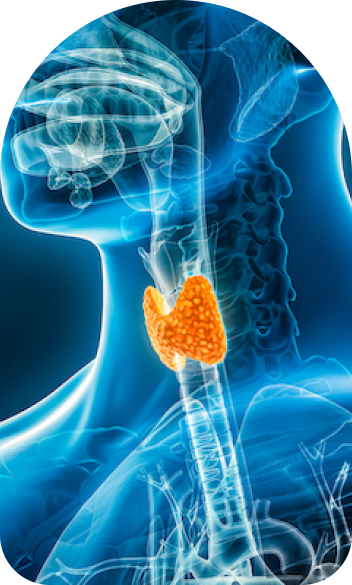
There are many types of thyroid disorders ranging from benign nodules to malignancies, which require surgical treatment when medical treatment falls short. Endoscopic Thyroid Surgery has several advantages over standard surgical thyroidectomy. As this technique is minimally invasive, patients experience lesser pain, faster recovery and an aesthetically pleasing result, making it ideal for people who want to minimise visible scarring.

thyroid2 1

Symptoms Of Endoscopic Thyroid Surgery

Lump

Persistent itching or irritation around the anus, which may be caused by hemorrhoids or other anorectal issues.

Pain

A noticeable lump or swelling around the anus, which may indicate hemorrhoids or other growths.

Hoarseness

Difficulty controlling bowel movements or leaking stool, often seen in cases of rectal prolapse.

Treatments

Surgery

Medicnine

Endoscopic Thyroid Surgery?

Endoscopic Anorectal Surgery is a minimally invasive surgical procedure used to treat conditions affecting the anus and rectum, such as hemorrhoids, anal fissures, or rectal prolapse. This technique uses an endoscope, a thin, flexible tube with a camera, which allows the surgeon to view the affected area on a monitor

Surgery

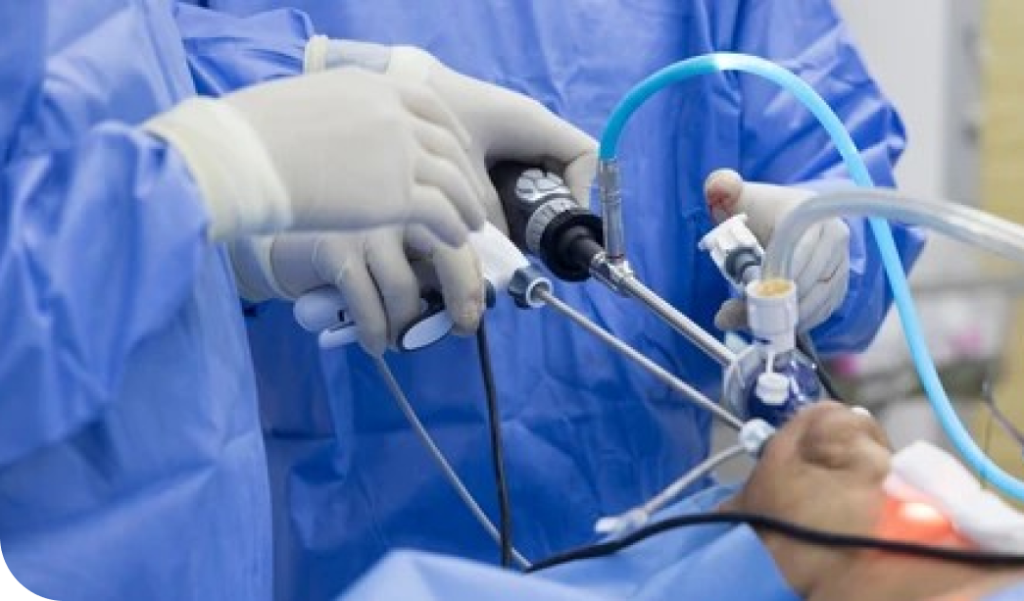
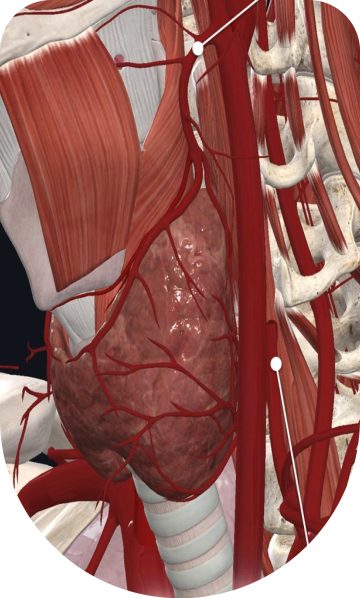
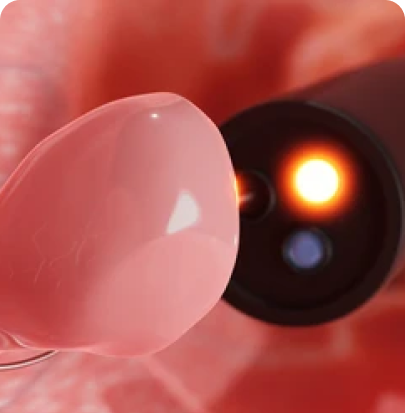
Endoscopic Thyroid Surgery begins with a detailed pre-operative assessment, including imaging and fine-needle aspiration cytology if required. The surgery is typically performed under general anaesthesia. Small incisions are made in inconspicuous areas like the axilla, chest, or behind the ear, through which a high-definition endoscope and specialized instruments are introduced. The surgeon carefully excises the targeted thyroid tissue while monitoring critical structures such as the recurrent laryngeal nerve and parathyroid glands. The removed tissue is sent for histopathological analysis. The procedure concludes with meticulous closure of the incisions, ensuring optimal healing and minimal scarring.


Some of the common anorectal conditions treated with Endoscopic Anorectal Surgery include:

  • Pre-Operative Consultation: A thorough medical history review, imaging studies, and thyroid function tests are conducted to plan the surgery precisely.
  • Medication Management: Patients on antithyroid drugs or anticoagulants are advised to discontinue these as per medical guidance.
  • Dietary Restrictions: Fasting is typically required for at least 8 hours before surgery.