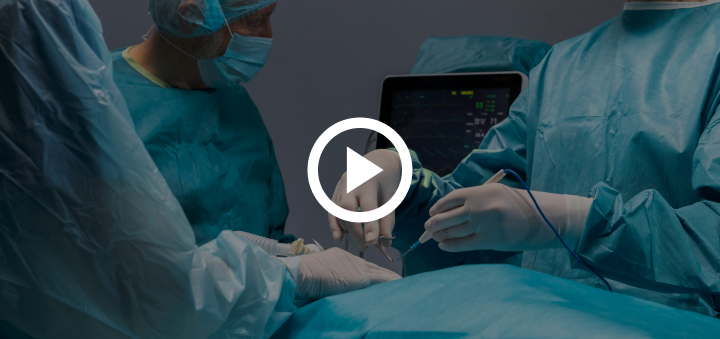
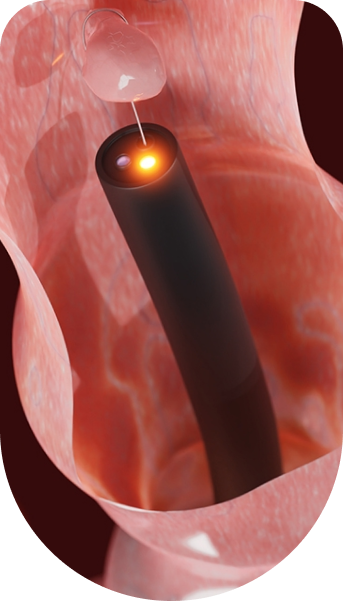


Endoscopic and laser anorectal surgery represents a modern, minimally invasive approach to treating a variety of anorectal conditions. These advanced techniques are highly effective, ensuring precise treatment with reduced pain, minimal scarring, and faster recovery times.
Traditional surgical methods for anorectal disorders often involve significant postoperative pain, prolonged recovery, and higher complication risks. Endoscopic and laser techniques offer numerous advantages:
Minimally Invasive Treatment: Reduced tissue trauma results in less pain and quicker healing.
Enhanced Precision: Laser technology allows for targeted treatment with minimal damage to surrounding tissues.
Faster Recovery: Shorter hospital stays and rapid return to daily activities. Reduced Risk of Complications: Advanced techniques minimize bleeding, infection, and recurrence.
Persistent itching or irritation around the anus, which may be caused by hemorrhoids or other anorectal issues.
A noticeable lump or swelling around the anus, which may indicate hemorrhoids or other growths.
Difficulty controlling bowel movements or leaking stool, often seen in cases of rectal prolapse .
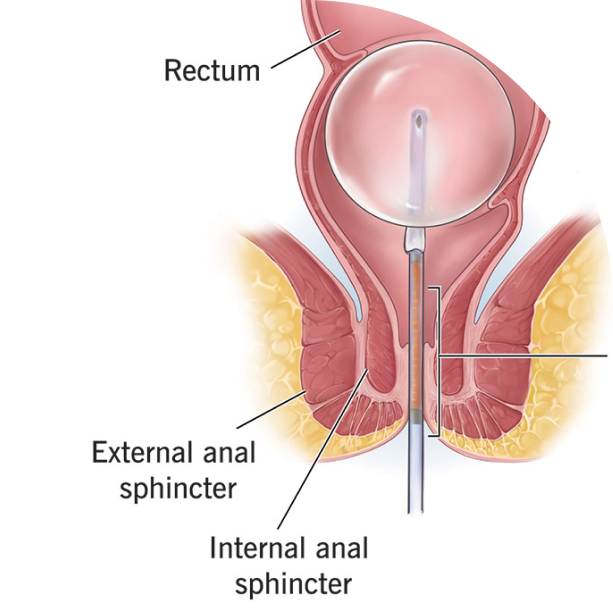
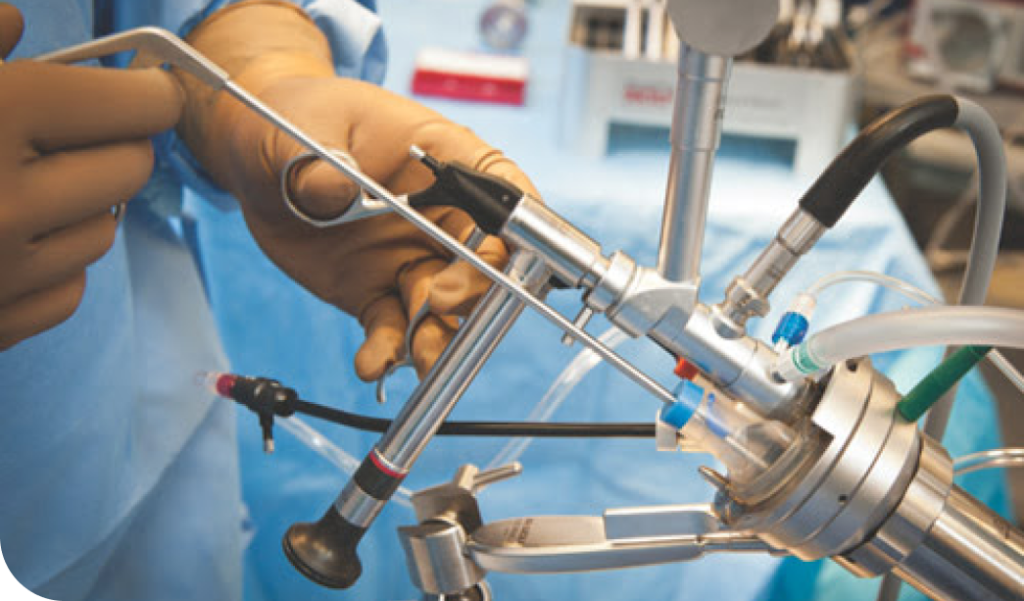
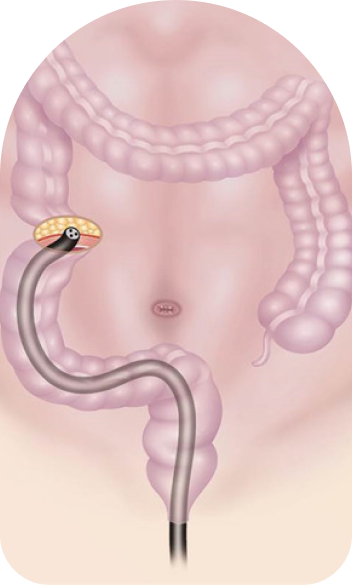
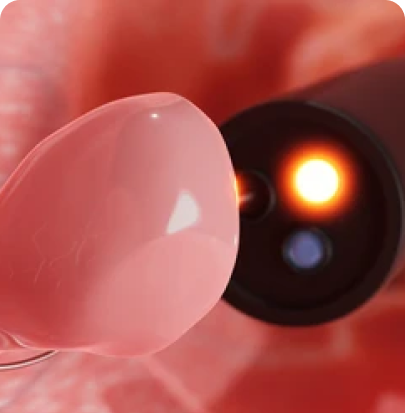
Endoscopic Anorectal Surgery is a minimally invasive surgical procedure used to treat conditions affecting the anus and rectum, such as hemorrhoids, anal fissures, or rectal prolapse. This technique uses an endoscope, a thin, flexible tube with a camera, which allows the surgeon to view the affected area on a monitor
Endoscopic and laser anorectal surgeries involve the following steps:
1. Pre-Operative Evaluation: Diagnosis is confirmed through clinical examination, imaging, or anoscope/colonoscopy.
2. Minimally Invasive Access: The affected area is accessed using endoscopic tools or laser equipment.
3. Condition-Specific Treatment:
4. Closure or Healing: In most cases, the natural healing process is optimized without the need for stitches. The procedure is performed under local or general anaesthesia, depending on the condition and patient preference.
"I had been suffering from hemorrhoids and persistent anal fissures for months, which caused discomfort and pain, especially during bowel movements. After consulting with my doctor, I was recommended to undergo Endoscopic Anorectal Surgery as a minimally invasive option to treat my condition.
Sed ut perspiciatis unde omnis iste natus error sit voluptatem accusantium doloremque laudantium, totam rem aperiam.
Duis aute irure dolor in reprehenderit in voluptate velit esse cillum dolore eu fugiat nulla pariatur.