


Advanced da Vinic Robotic Surgery

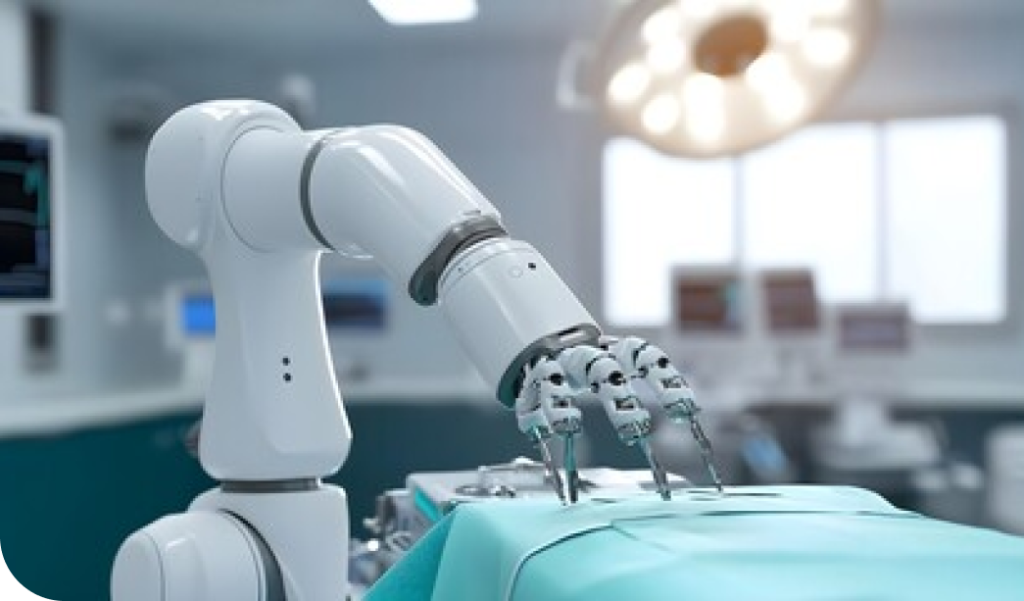
Advanced da Vinci Robotic Surgery represents the pinnacle of surgical innovation, combining the expertise of a skilled surgeon with the precision and control of robotic technology. Utilizing the state-of-the-art da Vinci Surgical System, this approach enhances minimally invasive surgical techniques to ensure superior outcomes for a wide range of medical conditions.

What is da Vinci?

Traditional surgical approaches, while effective, often involve significant invasiveness, longer recovery times, and increased risk of complications. Advanced da Vinci Robotic Surgery offers several key benefits: 

Enhanced Precision: The robotic system provides unmatched accuracy, even for delicate and complex procedures. 

Minimally Invasive: Small incisions lead to reduced pain, scarring, and a quicker recovery. 

Improved Visualization: High-definition, 3D imaging offers surgeons a magnified view of the surgical site. 

Lower Risk of Complications: Robotic systems allow greater control, minimizing risks such as bleeding or infection.

Symptoms Of da Vinci

Infection

Persistent itching or irritation around the anus, which may be caused by hemorrhoids or other anorectal issues.

Bleeding

A noticeable lump or swelling around the anus, which may indicate hemorrhoids or other growths.

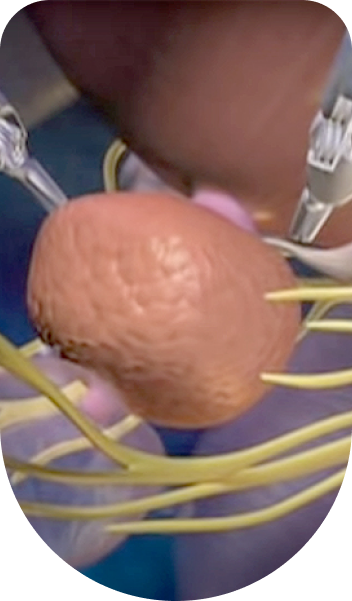
Nerve injury

Difficulty controlling bowel movements or leaking stool, often seen in cases of rectal prolapse.

Treatments

Surgery

Medicnine

Da vinci?

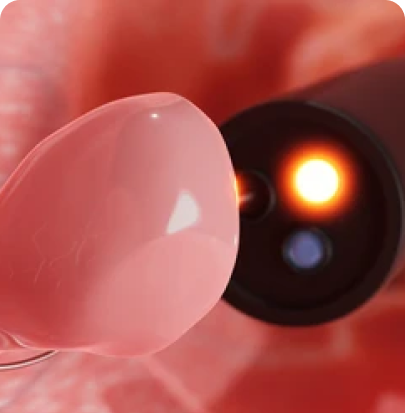
Endoscopic Anorectal Surgery is a minimally invasive surgical procedure used to treat conditions affecting the anus and rectum, such as hemorrhoids, anal fissures, or rectal prolapse. This technique uses an endoscope, a thin, flexible tube with a camera, which allows the surgeon to view the affected area on a monitor

Surgery

The da Vinci Robotic Surgery begins with a detailed pre-operative evaluation to determine the best approach for the patient’s condition. Once the patient is under general anaesthesia, the following steps are taken:
1. Small Incisions: Tiny incisions are made to insert robotic surgical instruments and a high-definition camera.
2. Robotic-Assisted Surgery: The surgeon operates from a console, controlling robotic arms equipped with precise instruments. The system translates the surgeon’s hand movements into real-time actions with enhanced precision.
3. Completion and Closure: After the procedure, the instruments are removed, and the incisions are closed with sutures or adhesives.