

Laser Piles
Surgery

The prime reasons why Laser piles surgery is preferred over conventional surgical techniques is because of it’s precision, efficiency and minimal post operative discomfort. This method uses focused laser energy to shrink or excise (remove) the haemorrhoidal tissue and therefore the Laser piles surgery becomes a controlled and effective way of treating haemorrhoids.

What is Piles?

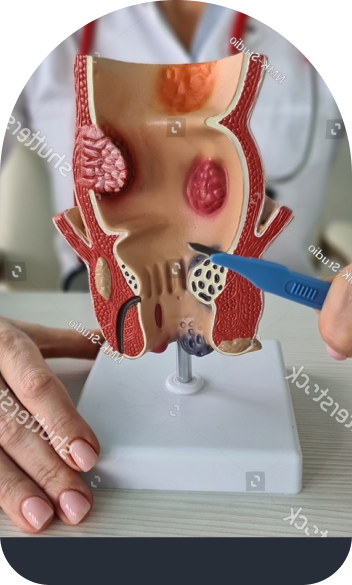
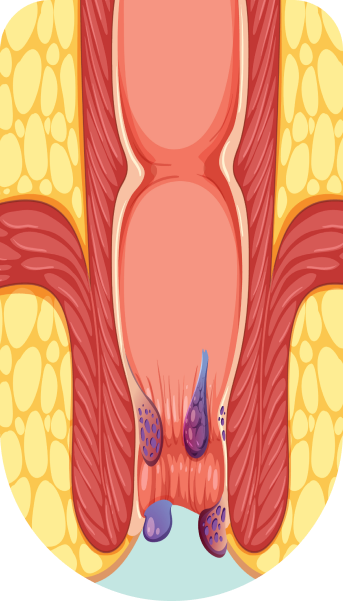
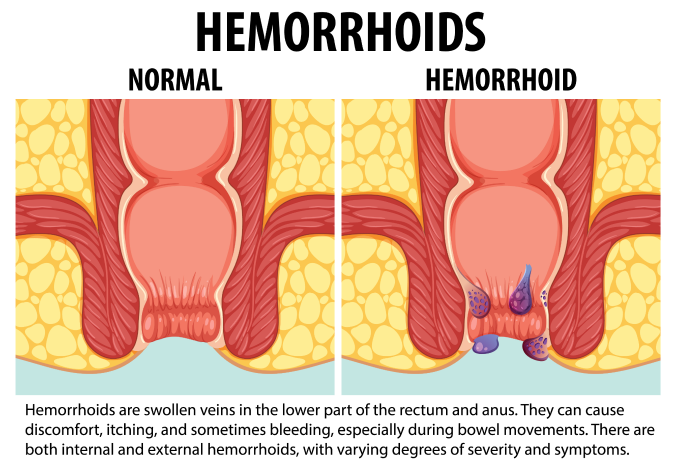
Hemorrhoids or piles are a prevalent anorectal conditions affecting millions of people across the world. Piles are swollen and inflamed veins in the rectum and anus and can cause pain, bleeding and discomfort, but do not usually lead to cancer. With recent advancements in surgical technology, treatment option has significantly changed and laser piles surgery has become a new frontier of cutting edge technology.

Treatments

Surgery to Cure

In severe cases of hemorrhoids (piles), when conservative treatments such as dietary adjustments, topical creams, and minimally invasive procedures fail to offer relief, surgery may be necessary. Surgical intervention is typically recommended for Stage 3 and 4 hemorrhoids or if complications arise, such as thrombosis (blood clots), significant bleeding, or ongoing symptoms that significantly impact the quality of life.

Surgery

Laser surgery is generally well-tolerated and has a high success rate, offering a long-term solution for piles with minimal discomfort and quick recovery. However, for advanced stages of hemorrhoids (Stage 3 and 4), more extensive treatments like hemorrhoidectomy may be necessary.

Laser Piles Treatment

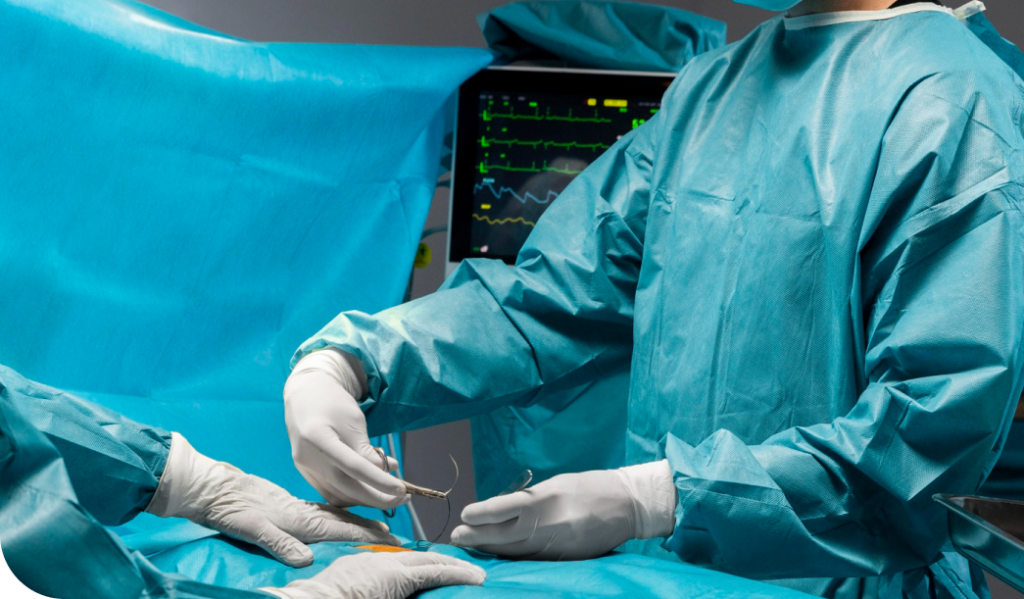
The laser piles surgery procedure is a minimally invasive technique performed under local or general anesthesia, ensuring maximum patient comfort. The affected area is carefully evaluated using advanced endoscopic methods to determine the severity of the condition. A specialized laser fiber is then used to deliver precise energy to the targeted tissues, effectively ablating or shrinking them while simultaneously coagulating blood vessels to minimize bleeding. The procedure is highly controlled, ensuring that surrounding healthy tissues remain unaffected. In most cases, no sutures are needed, and the entire process is completed in a shorter duration compared to traditional surgical methods, allowing for faster recovery and improved outcomes.

  • Perform Blood tests and imaging studies to check patients general health.
  • stay away from medications, like blood thinners Before surgery
  • Follow dietary restrictions, including fasting for a few hours before the surgery.