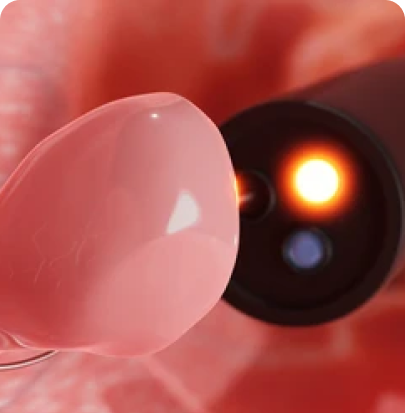


⁠Robotic/ Laparoscopic surgery for Achalasia Cardia

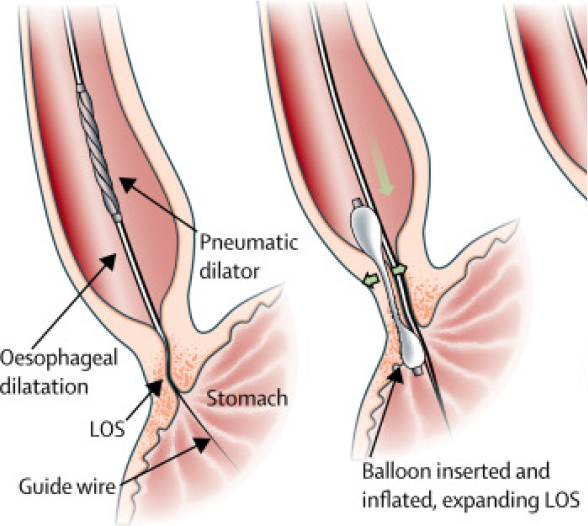
Achalasia Cardia is a complex and debilitating esophageal motility disorder characterized by impaired relaxation of the lower esophageal sphincter (LES) and the absence of normal peristalsis in the esophagus.

What is Laparoscopic surgery for Achalasia Cardia?

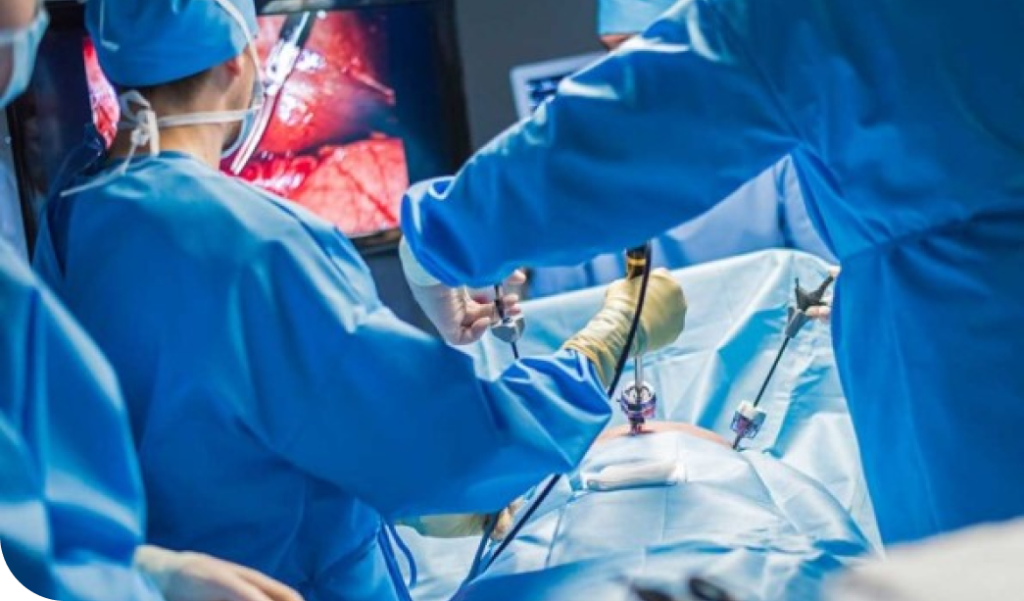
Robotic or laparoscopic surgery for achalasia cardia offers several advantages over traditional open surgery. These minimally invasive techniques involve smaller incisions, which significantly reduce the risk of infection, scarring, and pain post-operation. The use of advanced technology, such as robotic assistance, provides enhanced precision and control, allowing surgeons to perform delicate procedures with greater accuracy. This leads to quicker recovery times, shorter hospital stays, and less postoperative discomfort for patients. Furthermore, laparoscopic and robotic surgeries often result in better outcomes, with a lower risk of complications like bleeding and damage to surrounding tissues. Overall, these methods offer a more effective and patient-friendly approach to treating achalasia cardia, with faster recovery and improved quality of life.

Symptoms Of Laparoscopic surgery for Achalasia Cardia

Dysphagia

Persistent itching or irritation around the anus, which may be caused by hemorrhoids or other anorectal issues.

Regurgitation

A noticeable lump or swelling around the anus, which may indicate hemorrhoids or other growths.

Chest pain

Difficulty controlling bowel movements or leaking stool, often seen in cases of rectal prolapse.

Treatments

Surgery

Medicnine

Injections
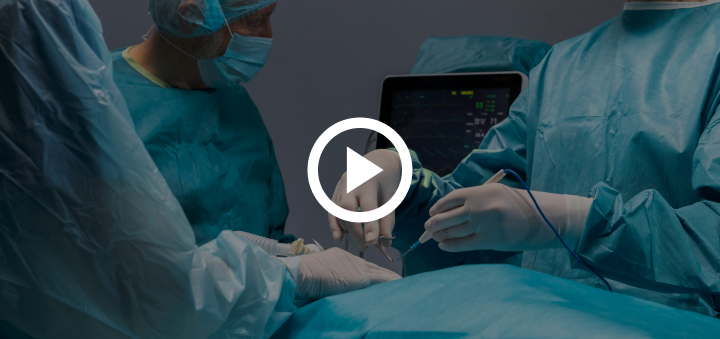
Laparoscopic surgery for Achalasia Cardia?

Endoscopic Anorectal Surgery is a minimally invasive surgical procedure used to treat conditions affecting the anus and rectum, such as hemorrhoids, anal fissures, or rectal prolapse. This technique uses an endoscope, a thin, flexible tube with a camera, which allows the surgeon to view the affected area on a monitor

Surgery

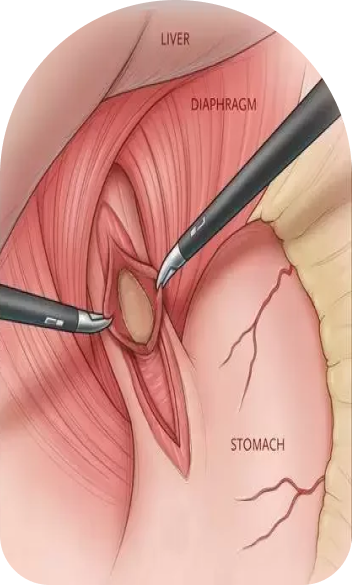
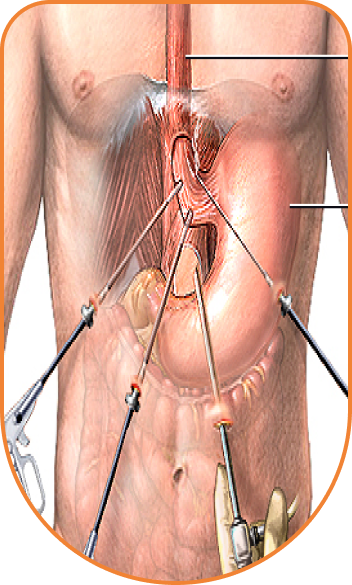
The procedure for robotic or laparoscopic surgery for achalasia cardia typically involves a minimally invasive technique aimed at relieving the symptoms of the condition, such as difficulty swallowing. During the surgery, the surgeon makes small incisions in the abdomen through which a laparoscope (a thin, flexible tube with a camera) and specialized surgical instruments are inserted. The most common procedure is a Heller myotomy, where the surgeon carefully cuts the muscle fibers of the lower esophageal sphincter to allow easier passage of food. If necessary, a fundoplication may also be performed to prevent acid reflux by wrapping part of the stomach around the lower esophagus. In robotic surgery, a robotic system is used to assist the surgeon with enhanced visualization and precision, offering greater control over the delicate tissue manipulation. The surgery is typically performed under general anesthesia, and the minimally invasive nature of the procedure allows for a quicker recovery, reduced pain, and a shorter hospital stay compared to traditional open surgery.