
Robotic/ Laparoscopic surgery for Varicocele

Advancements in surgical technology have transformed the way we approach conditions like varicocele, a common cause of male infertility and chronic scrotal discomfort.

What is Varicocelectomy?

Robotic and laparoscopic surgeries are the gold standard in modern varicocele treatment, offering a minimally invasive alternative to traditional open surgeries. These advanced techniques combine precision with cutting-edge technology, allowing for targeted ligation of affected veins while preserving surrounding structures. With significantly smaller incisions, these procedures reduce post-operative pain, minimize scarring, and promote faster recovery. Enhanced visualization provided by robotic systems ensures unparalleled accuracy, making it ideal for addressing primary, recurrent, and symptomatic varicoceles. Patients benefit from shorter hospital stays, quicker returns to daily activities, and excellent aesthetic outcomes, making robotic and laparoscopic surgeries the preferred choice for varicocele management.

Treatments

Surgery to Cure

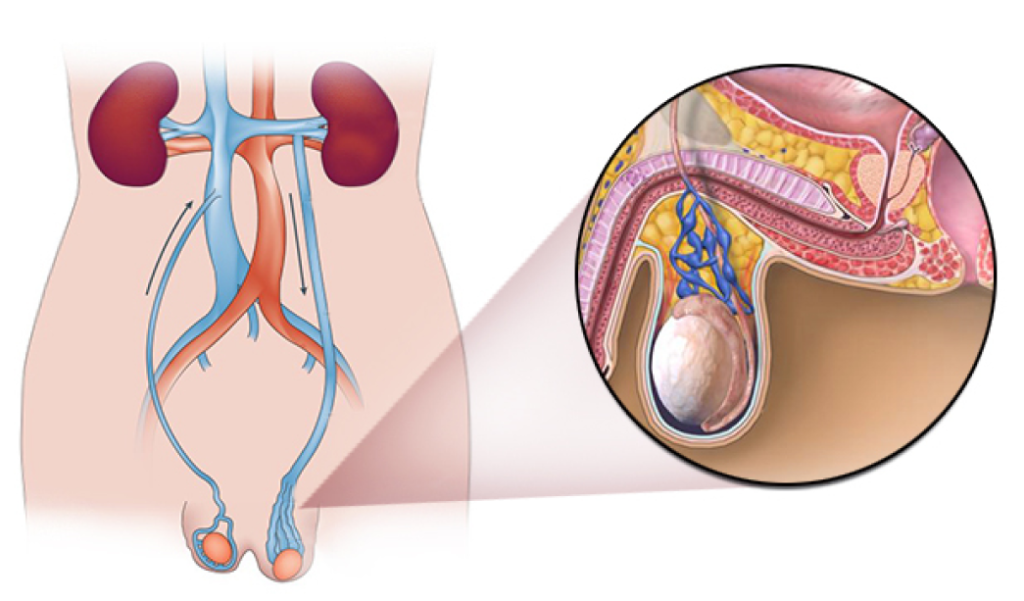
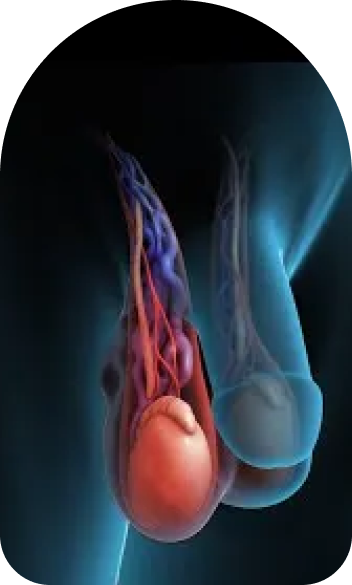
Varicocelectomy is a surgical procedure designed to treat varicoceles, which are enlarged veins in the scrotum that can lead to pain, swelling, and fertility problems. The goal of varicocelectomy is to remove or tie off the affected veins, improving blood flow to the testicles and reducing the complications caused by varicoceles.

Surgical Treatment for Varicocele (Varicocelectomy):

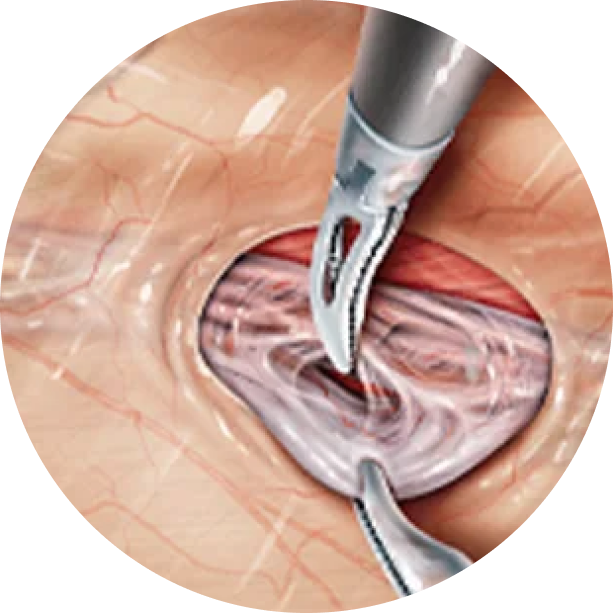
The procedure for robotic or laparoscopic varicocelectomy begins with a comprehensive pre-operative evaluation, including imaging studies such as Doppler ultrasound or venography, to assess the severity of the varicocele. During surgery, small incisions are made in the lower abdomen to introduce a high-definition laparoscope and specialized instruments. In robotic surgery, the surgeon operates from a robotic console, which translates hand movements into precise actions, allowing unparalleled accuracy in targeting and ligating the affected veins while preserving surrounding structures. Laparoscopic surgery involves the surgeon manually controlling instruments, guided by real-time imaging on a high-definition monitor. Both techniques focus on rerouting blood flow through healthier veins while minimizing disruption to nearby tissues. The procedure is typically performed under general anesthesia, with careful monitoring throughout to ensure safety. Post-surgery, the incisions are meticulously closed, leaving minimal scarring, and patients are monitored in recovery before being discharged, often on the same day. This advanced approach ensures effective treatment with reduced pain, quicker recovery, and excellent cosmetic outcomes.